BLOG DETAILS

Sachin Pathak

Cyber

14 June, 2025
Zero Trust Networking for Cloud Workloads
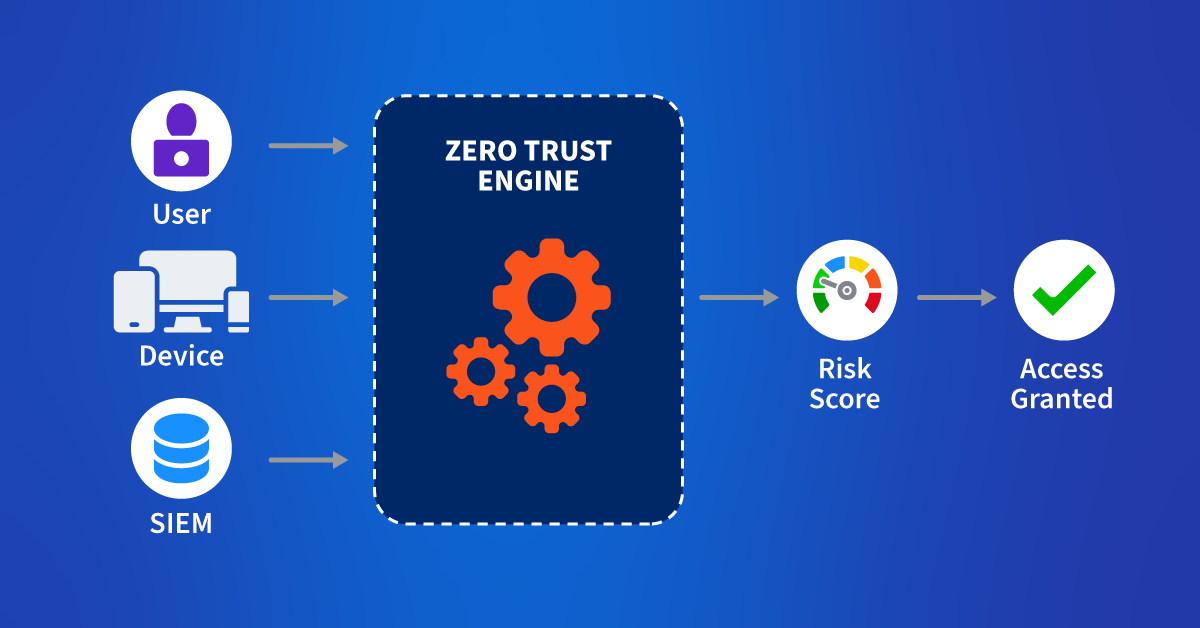
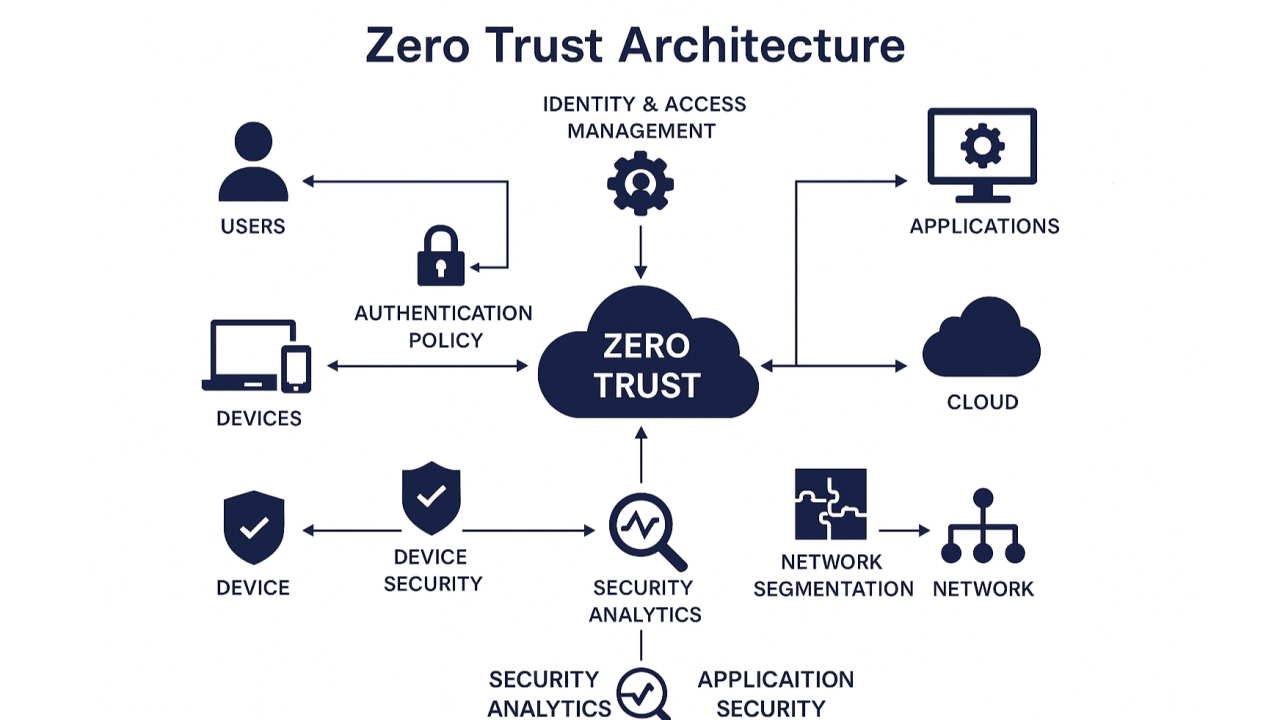
The old castle-and-moat model fails in the cloud. Zero Trust assumes no implicit trust — every request is authenticated, authorised and encrypted, wherever it comes from.
Never trust, always verify
Identity becomes the perimeter. Every service-to-service call carries a verifiable identity (mTLS), and access is least-privilege by default.
Segment everything
Kubernetes NetworkPolicies and a service mesh restrict which workloads can talk to which — lateral movement gets very hard.
kind: NetworkPolicy
spec:
  podSelector: { matchLabels: { app: api } }
  policyTypes: [Ingress]
Continuous verification
Short-lived credentials, device posture and policy engines re-check trust continuously — not just once at login.
Key Takeaways
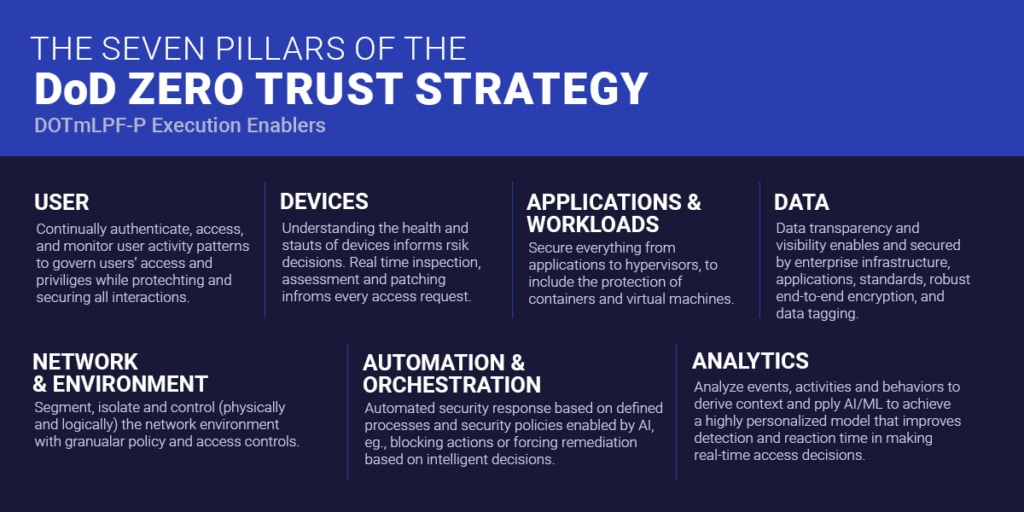
- Never trust, always verify — authenticate and authorise every request.
- Identity, not network location, is the new security perimeter.
- Enforce least privilege and segment workloads to limit lateral movement.
- mTLS and a service mesh secure all service-to-service traffic.
- Continuous verification and logging assume breach by default.
Wrapping Up
Zero Trust is a journey, not a product: identity-first access, network segmentation and least privilege make cloud workloads far harder to breach.
3 Comments +10
Prabhanshu Arya
01 Jun 2026“Identity is the new perimeter” — quoting this in our next architecture review.
Rohit Shukla
02 Jun 2026mTLS via a service mesh was easier to roll out than I expected. Great practical post.
Devansh Tiwari
04 Jun 2026The assume-breach mindset changed how we design everything now. Well put.