BLOG DETAILS

Sachin Pathak

DevSecOps

04 February, 2026
Hardening Your CI/CD Pipeline with DevSecOps
Security cannot be a final gate — it has to live in the pipeline. DevSecOps shifts checks left so vulnerabilities are caught at commit time, not in production.
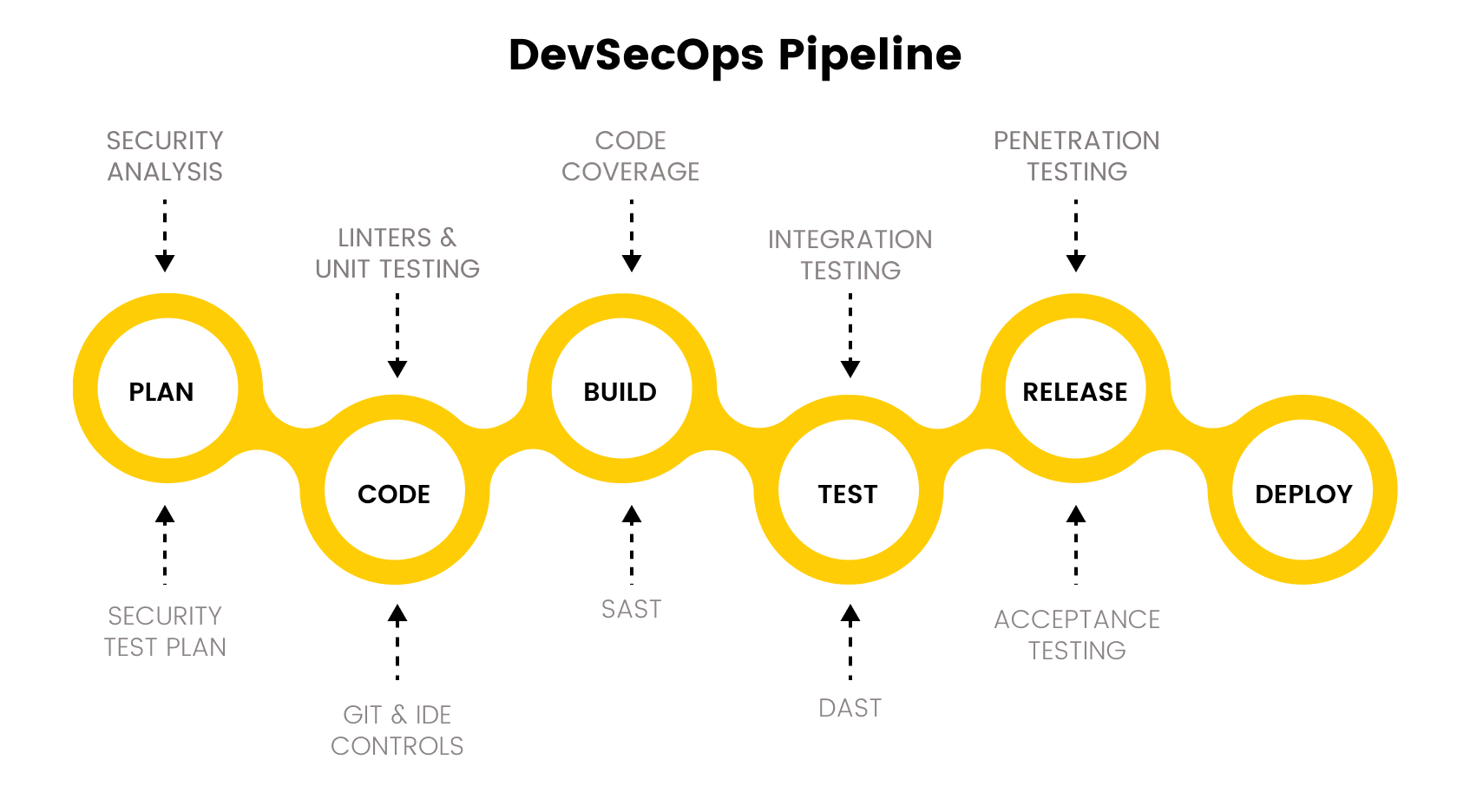
Shift security left
Add static analysis (SAST), dependency scanning and secret detection to every pull request. Failing builds early is far cheaper than incident response later.
A quality and security gate
SonarQube enforces a quality gate, Trivy scans the image, and gitleaks blocks committed secrets — all on every push.
- name: Scan image
  run: trivy image --exit-code 1 --severity HIGH,CRITICAL myapp:${GITHUB_SHA}
Policy as code
Tools like OPA and Conftest validate your Kubernetes manifests against guardrails before they ever reach the cluster.
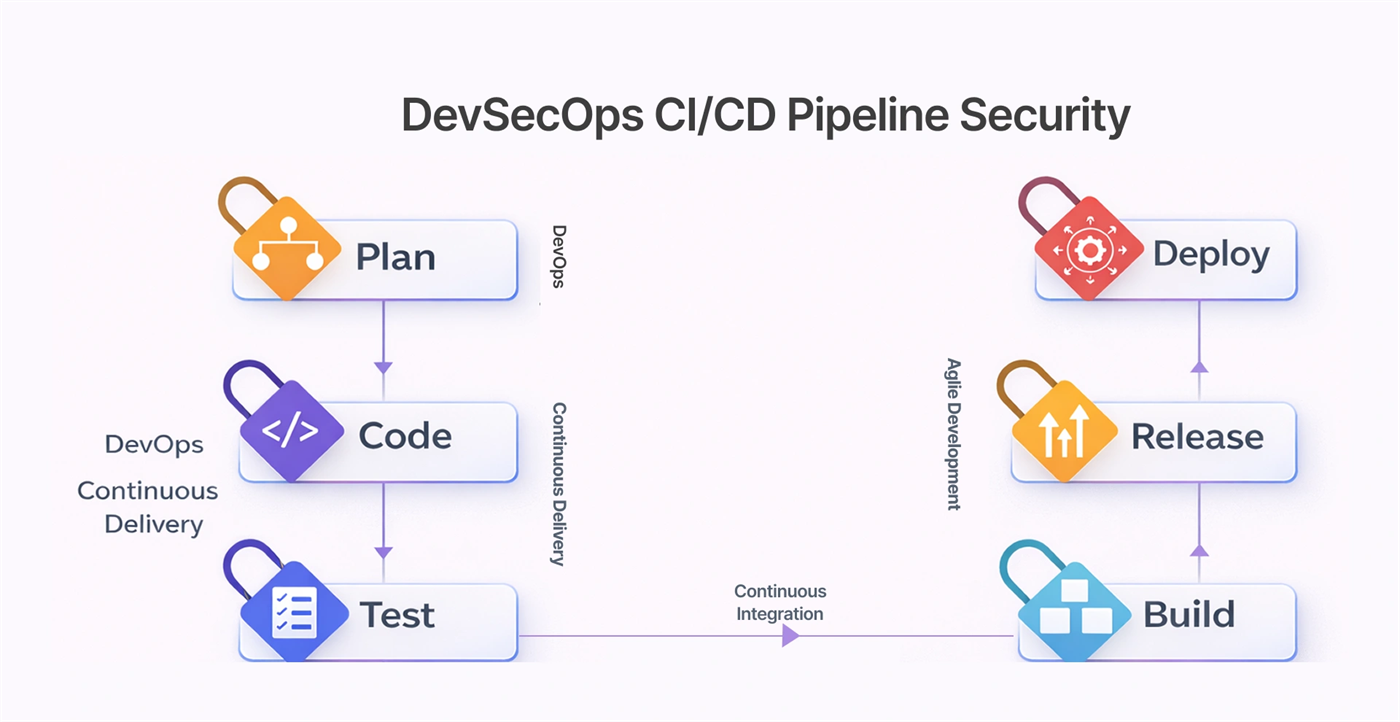
Key Takeaways
- Shift security left — run SAST, SCA and secret scanning inside the pipeline.
- Automated gates enforce policy without slowing developers down.
- Sign artifacts and verify provenance to secure the software supply chain.
- Least-privilege CI credentials limit the blast radius if a runner is compromised.
- Security is everyone’s job — bake it into the pipeline, not a final audit.
Wrapping Up
DevSecOps is not a tool, it is a habit: make the secure path the easy path, and let the pipeline enforce it on every change.
3 Comments +11
Shubham Pathak
11 Feb 2026Shifting SAST and secret scanning left changed our whole security posture. Solid post.
Prabhanshu Arya
12 Feb 2026The least-privilege CI credential point is underrated. So many leaks start right there.
Anshika Pathak
14 Feb 2026Artifact signing is finally on our roadmap thanks to write-ups like this.