BLOG DETAILS

Sachin Pathak

DevSecOps

15 August, 2025
Managing Secrets in CI/CD with HashiCorp Vault
Hardcoded secrets are a breach waiting to happen. HashiCorp Vault centralises secrets and injects them at runtime, so credentials never live in your repo or CI logs.
Stop committing secrets
Move API keys, database passwords and tokens out of code and CI variables into Vault, with fine-grained policies controlling who can read what.
Dynamic, short-lived credentials
Vault can mint database credentials on demand that expire automatically — no more long-lived shared passwords.
vault kv get -field=password secret/prod/dbPipeline integration
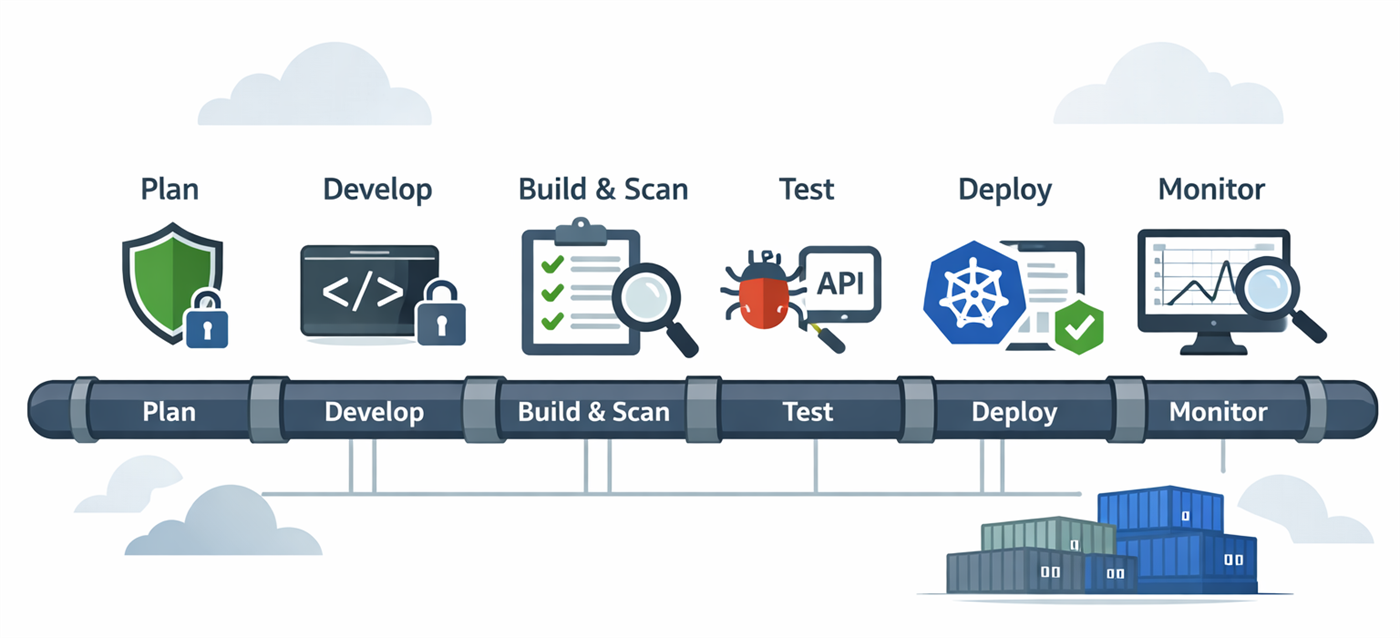
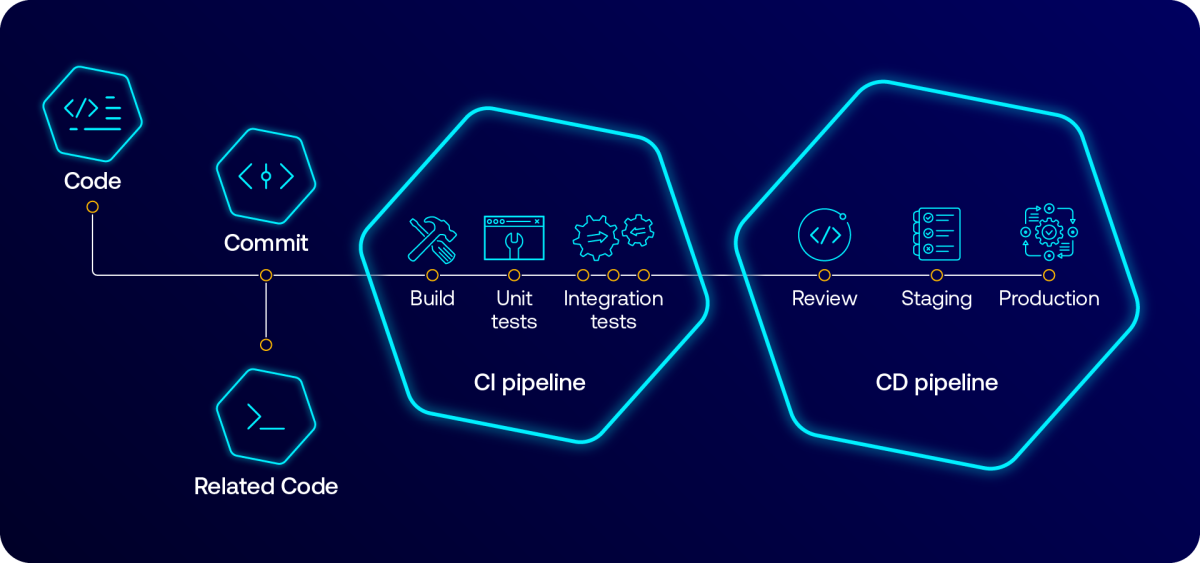
CI authenticates to Vault with a short-lived token (OIDC or AppRole), pulls only the secrets it needs, and they are gone when the job ends.
Key Takeaways
- Vault centralises secrets with encryption, access policies and audit logs.
- Dynamic secrets are generated on demand and expire automatically.
- Short TTLs and leases shrink the window of a leaked credential.
- AppRole and Kubernetes auth remove static tokens from your applications.
- Audit devices give a tamper-evident record of every secret access.
Wrapping Up
With Vault, secrets become managed, audited and ephemeral — a core DevSecOps control rather than an afterthought.
3 Comments +8
Aman Tripathi
26 May 2026Dynamic secrets with short TTLs are magic — no more static DB passwords lying around.
Amber Sharma
27 May 2026Kubernetes auth removed every static token from our apps. Huge security upgrade.
Shubham Pathak
29 May 2026Audit devices giving a tamper-evident trail finally satisfied our compliance team.