BLOG DETAILS

Sachin Pathak

Automation

08 April, 2026
Ansible: Idempotent Configuration Management at Scale
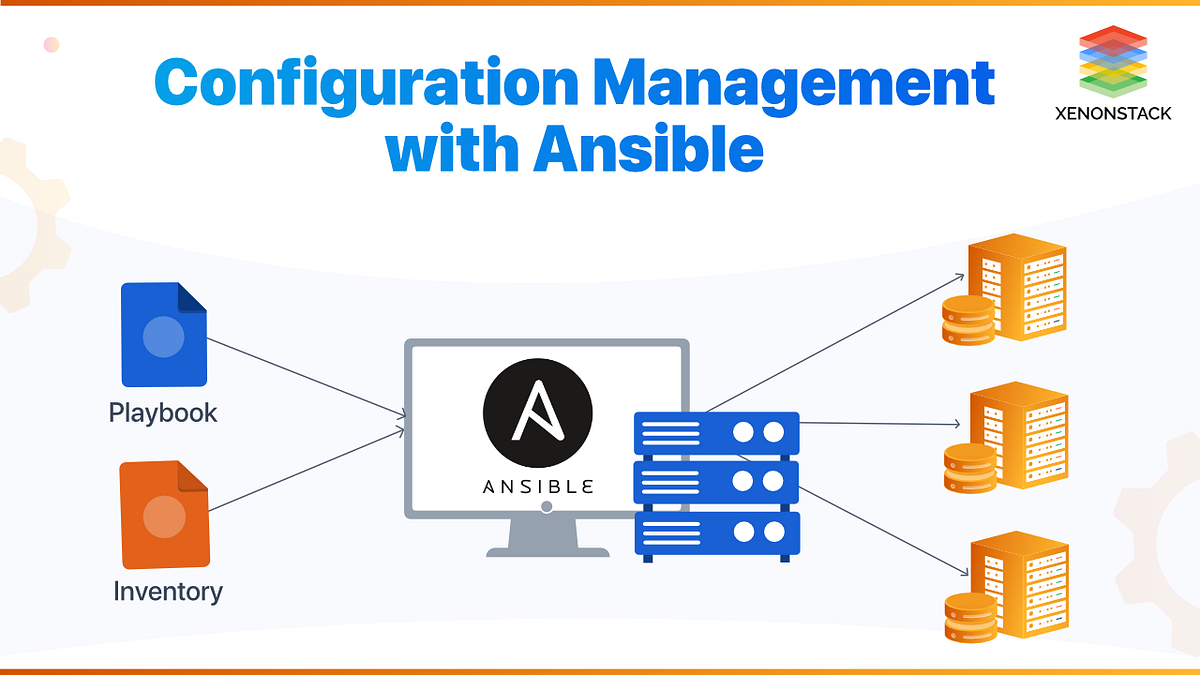
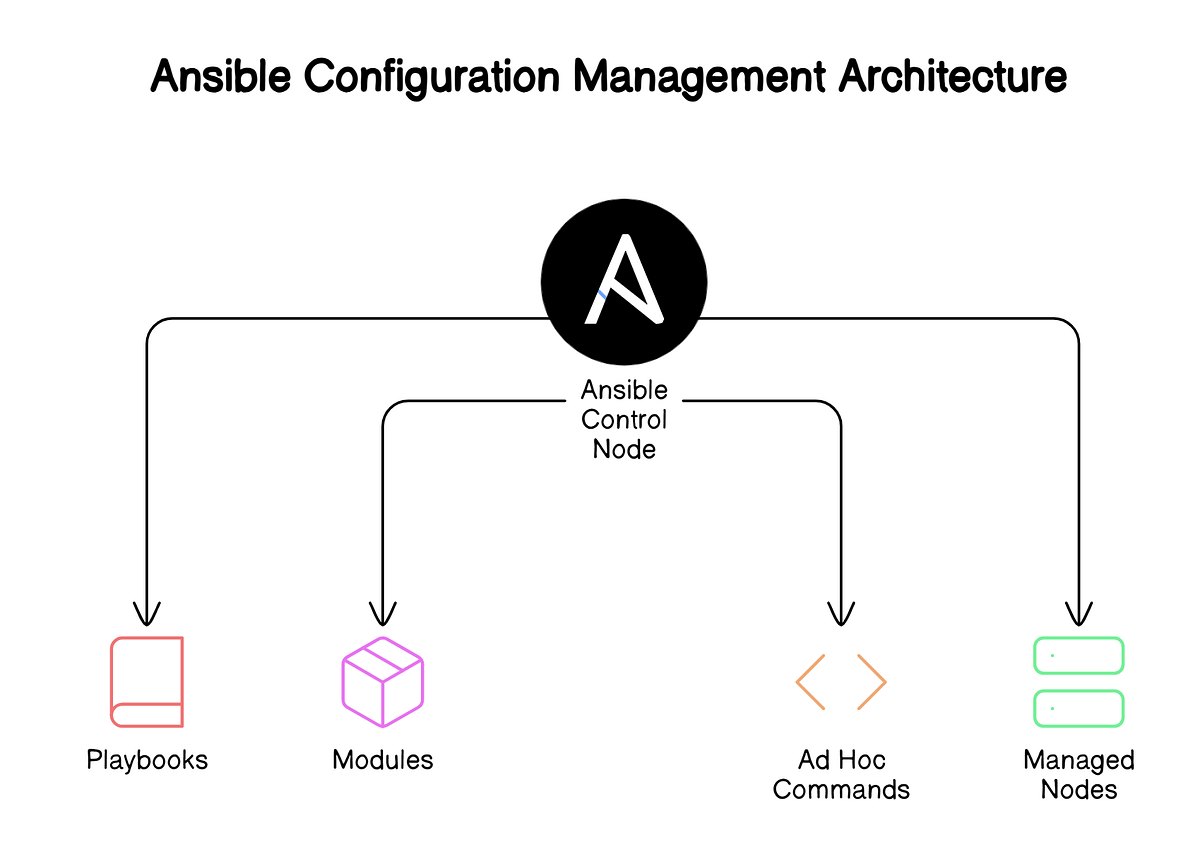
SSH-ing into servers one by one does not scale. Ansible describes the desired state in playbooks and applies it idempotently across your whole fleet.
Idempotency matters
Run a playbook once or a hundred times and the result is the same. No drift, no surprises.
A simple playbook
Declare the state you want; Ansible makes it so.
- hosts: web
  become: true
  tasks:
    - name: Ensure nginx is installed
      apt: { name: nginx, state: present }
    - name: Start nginx
      service: { name: nginx, state: started, enabled: true }
Roles and inventory
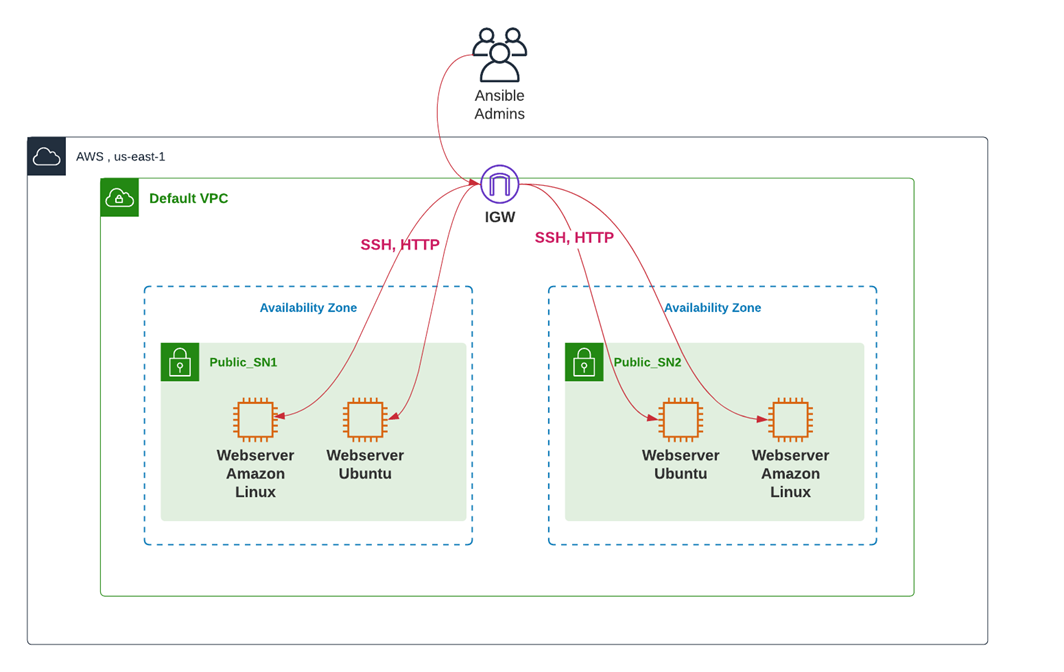
Group tasks into roles and target environments via inventory, so the same automation scales from one node to hundreds.
Key Takeaways
- Playbooks make server configuration repeatable, versioned and self-documenting.
- Idempotency means running the same playbook twice leaves the system in the same state.
- Roles and inventories keep automation modular and reusable across environments.
- Ansible Vault keeps secrets encrypted right alongside your playbooks.
- Agentless over SSH means there is nothing extra to install on managed nodes.
Wrapping Up
Ansible turns server management into version-controlled, repeatable automation — agentless and readable.
3 Comments +7
Rohit Shukla
19 Apr 2026Idempotency is the one thing newcomers always miss. Nice that you led with it.
Prasoon Sharma
20 Apr 2026We moved 40+ servers to playbooks last year — never going back to manual config.
Diksha Singh
22 Apr 2026The Ansible Vault tip was timely. We were keeping secrets in plain vars files, oops.