BLOG DETAILS


Sachin Pathak

AI

02 July, 2025
AI in DevOps: Using LLMs to Triage Incidents Faster
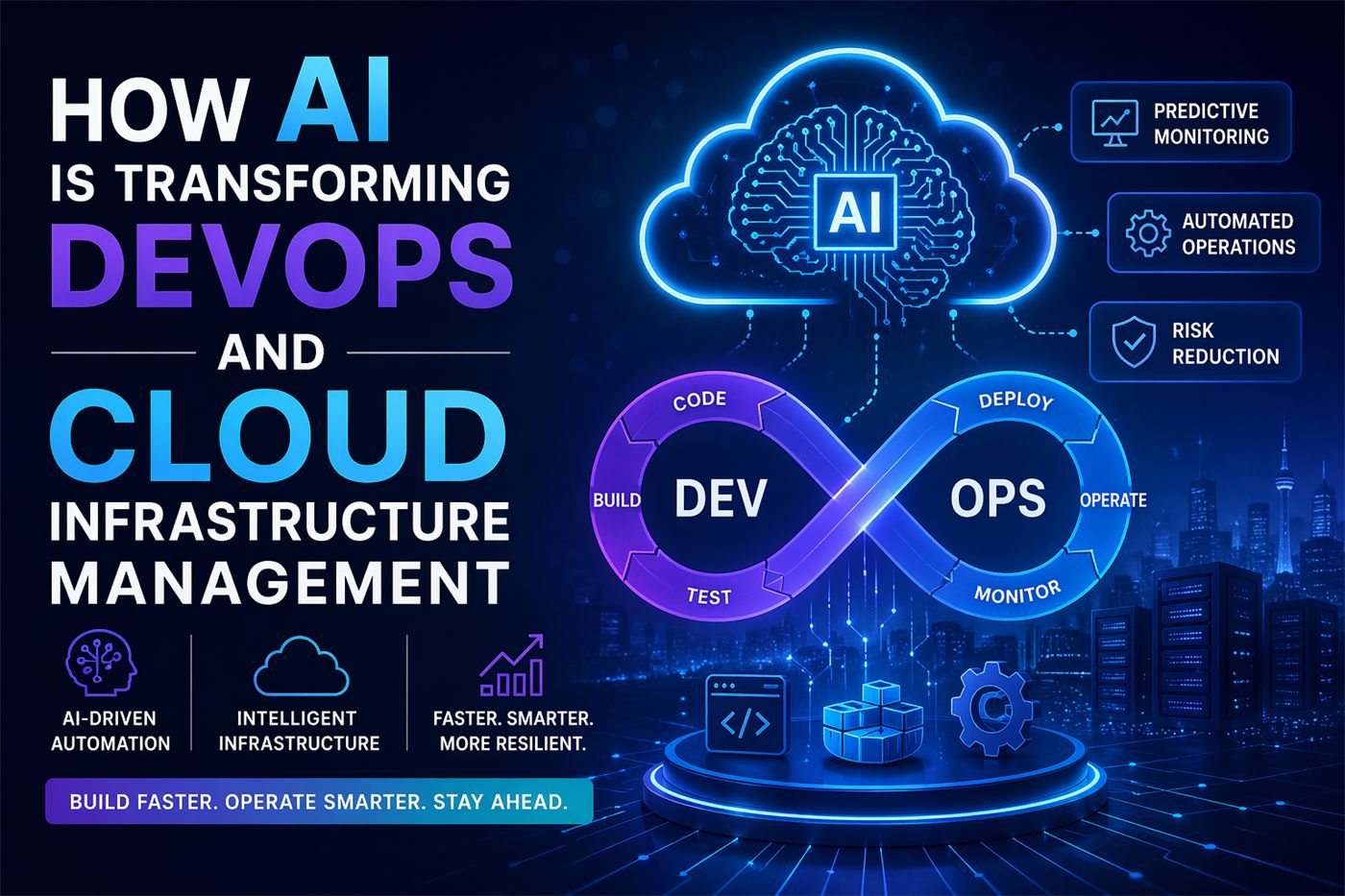
AI is quietly reshaping operations. Used carefully, LLMs can triage incidents, summarise logs and draft runbooks — cutting the time from alert to fix.
From noisy alerts to signal
An LLM can cluster related alerts, summarise what changed and suggest likely causes, so responders start with context instead of a wall of logs.
Grounded, not guessing
Feed the model real telemetry and runbooks via retrieval so its answers are grounded in your systems, not generic guesses.
Summarise these 200 log lines, list the top 3 likely root causes, and cite the lines.Keep humans in the loop
AI drafts, engineers decide. Automate the toil (summaries, first-draft fixes) but gate any real change behind review and your normal pipeline.
Key Takeaways
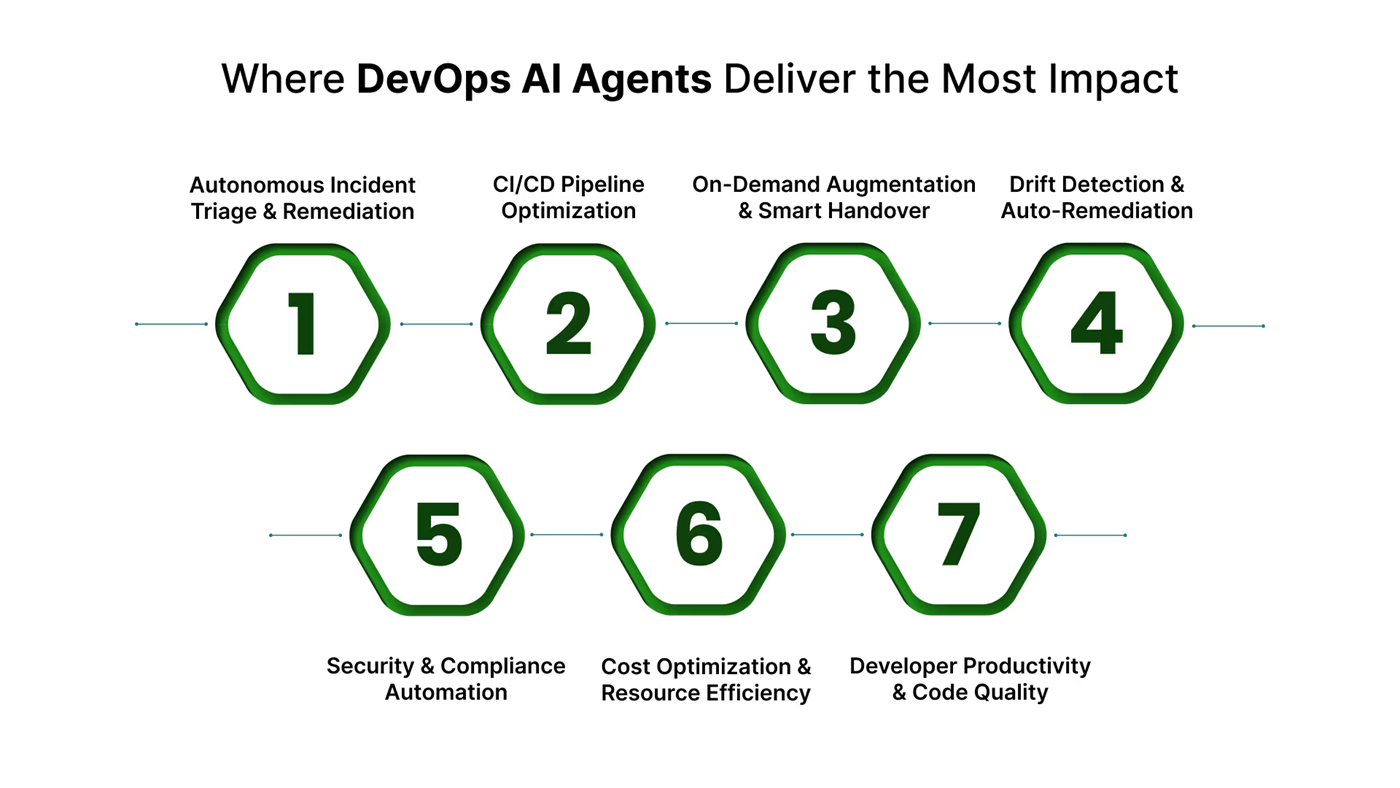
- AI copilots speed up writing pipelines, IaC and runbooks, but every suggestion still needs human review.
- Anomaly detection on metrics and logs surfaces incidents earlier than static thresholds.
- LLM-assisted root-cause analysis shortens MTTR by summarising noisy alert storms.
- Treat AI output as a draft — validate it against policy, security and cost guardrails.
- Start small: automate toil first, then grow into predictive scaling and self-healing.
Wrapping Up
AI will not replace your on-call, but it makes them faster — turning hours of log-reading into minutes of informed action.
3 Comments +9
Ashish Dubey
06 Apr 2026Using an LLM to summarise alert storms cut our triage time massively. Great to see it written up.
Shivani Pandey
07 Apr 2026Totally agree on treating AI output as a draft — we gate everything through policy checks now.
Aman Tripathi
09 Apr 2026Predictive scaling is the part I’m most excited about. Any tools you’d recommend to start with?